Utah
Your Collision Repair Rights in Utah
Utah law gives you concrete protections and more than one way to resolve a dispute with an insurer. Know what they are before you need them.
Start here
What Utah law gives you
Dealing with a claim after a crash is stressful. Utah law gives you concrete protections and more than one way to resolve a dispute with an insurer. Here is what you have and how to use it.
This is general information, not legal advice. See the disclaimer at the end of this page. For questions that apply across both Utah and Colorado, see the main Consumer Help FAQ.
MSCRA advocacy
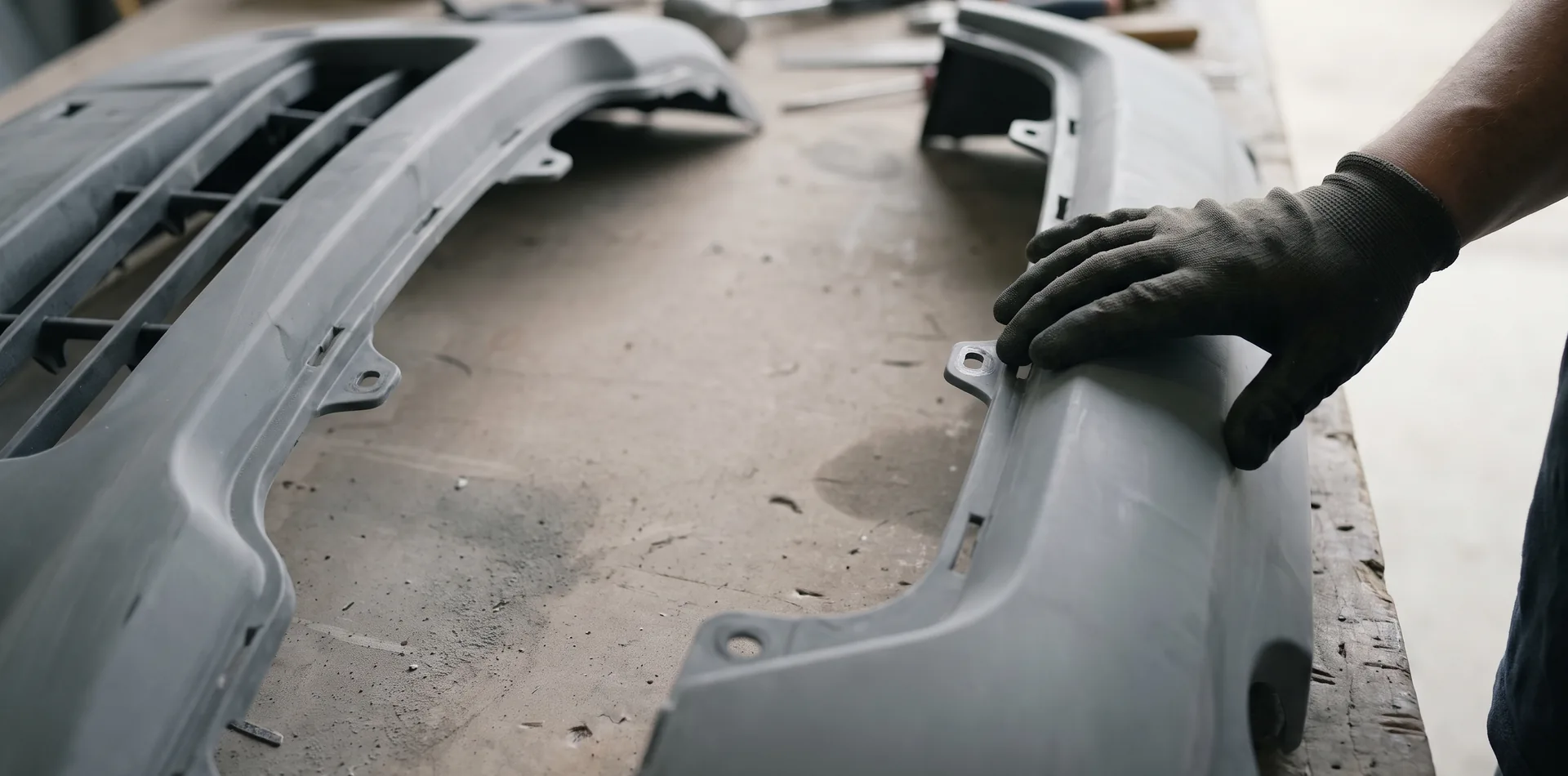
Utah HB 119, effective in 2026, requires insurers to disclose the use of non-OEM aftermarket crash parts, so you can see what parts are proposed for your repair before work begins.
Common questions
Utah FAQ
Utah defines unfair claim settlement practices in the Utah Insurance Code, Section 31A-26-303. These include misrepresenting policy provisions, failing to act promptly on a claim, and failing to provide a reasonable explanation for denying or reducing a claim. If you believe your insurer is handling your claim unfairly, you can file a complaint with the Utah Insurance Department.
You can file online or by mail. The online complaint portal requires you to create an account and log in. If you would rather not create an account, or cannot access the portal, you can download and print the Consumer Complaint Form, which needs no account, and mail, fax, or email it to the department. The contact details are listed on the form.
Yes. The Utah Insurance Department allows your shop to submit the complaint and discuss your claim handling directly, once you sign a form authorizing the department to discuss your claim with the shop. After the shop files, the department will contact you and ask you to sign that authorization. This can help if you are short on time or unsure how to put the complaint in words.
If another driver was at fault, Utah allows you to seek compensation for your vehicle's lost value through a diminished value claim against the at-fault driver's insurer. In general: first, prove the loss with an independent, unbiased appraisal; second, submit that appraisal and a demand letter to the at-fault insurer; third, review their response, which may be full payment, a lower offer to negotiate, or a denial. If they deny it, you may want to consult legal counsel. Your selected shop or MSCRA can help point you toward a licensed appraiser.
See the shared Right to appraisal section on the main Consumer Help page. In short, if your policy includes an appraisal provision, you can invoke it to resolve a dispute over the cost and method of repair through independent appraisers and, if needed, a neutral umpire.
Yes. Utah HB 119, signed in 2026 and effective on or about May 6, 2026, requires insurers to disclose the use of non-OEM aftermarket crash parts. That disclosure helps you understand what parts an insurer proposes for your repair. See the Regulations page for more.
Where to file
Utah regulatory contacts
Utah Insurance Department
For complaints about how an insurer handled your claim. File online through the complaint portal, or download and mail the printable Consumer Complaint Form. Your shop can file on your behalf with your written authorization.
Utah Division of Occupational and Professional Licensing (DOPL)
DOPL licenses and regulates auto body shops and automotive technicians in Utah. For complaints about a shop's licensing status, conduct, or quality of work.
Phone: 801-530-6601
dopl.utah.gov →Next step
Know your rights. Now find a shop that respects them.
This information is provided for general educational and consumer information purposes only and is not legal advice, insurance claim representation, or professional claim adjusting services. A state auto body association, collision repair facility, or repair professional may not provide legal advice, interpret insurance law, negotiate insurance claims on behalf of a consumer, or act as a licensed public adjuster or appraiser unless properly licensed under applicable state law. In Utah, public adjusting is regulated by state law, and only licensed attorneys may provide legal advice. MSCRA's role is limited to directing consumers toward general information, documentation practices, and available resources. Consumers seeking legal advice, claim negotiation, appraisal services, or claim representation should consult a qualified attorney, licensed public adjuster, or licensed appraiser in their state.